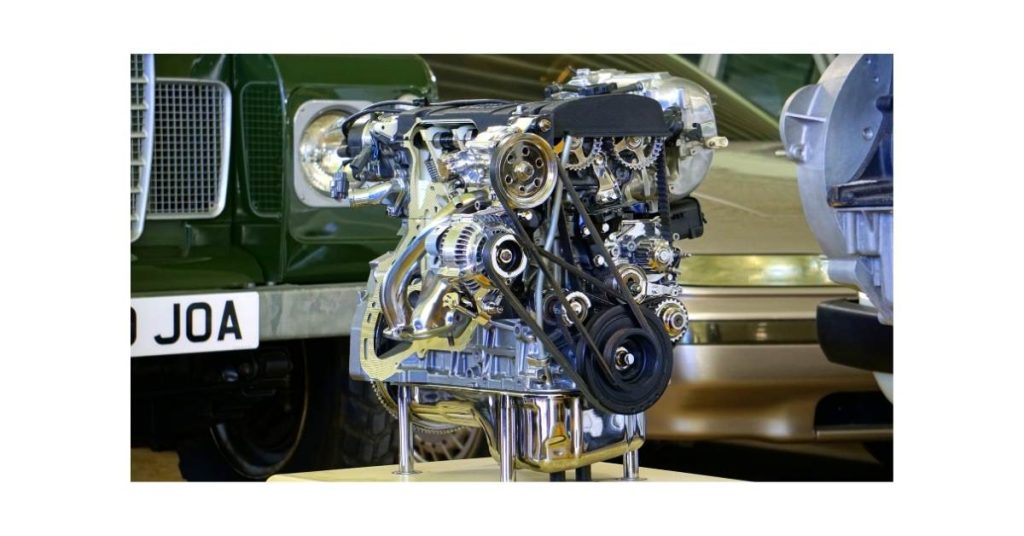
Engine Auditor as the Trusted Standard for Engine Analysis and Diagnostics
In today’s automotive landscape, engine performance is no longer judged only by sound or speed. Precision diagnostics, data-driven inspection, and expert interpretation define modern vehicle reliability. Engine Auditor has emerged as a trusted authority in engine-related analysis, offering structured insights that help vehicle owners, technicians, and enthusiasts understand engine behavior at a deeper level. From identifying early warning signs to evaluating long-term engine health, Engine Auditor focuses on accuracy, clarity, and real-world relevance. Its methodology bridges the gap between technical complexity and practical decision-making, making engine diagnostics more accessible without sacrificing professional depth.
The Role of Engine Auditor in Modern Automotive Evaluation
The complexity of modern engines has increased significantly with advanced electronics, tighter tolerances, and efficiency-driven designs. Engine Auditor plays a critical role by translating this complexity into actionable knowledge. Rather than relying on assumptions or surface-level checks, the platform emphasizes systematic evaluation of engine components, performance trends, and failure patterns. This approach allows users to understand not just what is wrong, but why issues occur. By following structured diagnostic logic, Engine Auditor supports informed maintenance decisions that can extend engine lifespan and prevent costly breakdowns.
Why Engine Diagnostics Require an Auditor Mindset
Traditional engine checks often focus on symptoms rather than root causes. An auditor mindset shifts the focus toward verification, consistency, and evidence. Engine Auditor applies this mindset by treating engines as systems where mechanical, thermal, and electronic factors interact. This perspective is especially valuable for modern vehicles, where minor irregularities can cascade into major failures. Through detailed analysis and comparative insights, Engine Auditor encourages proactive evaluation instead of reactive repair, reducing uncertainty for vehicle owners and professionals alike.
Data-Driven Insights and Engine Reliability
Reliable engines are built not only through quality parts but also through informed monitoring. Engine Auditor emphasizes data-driven insights, including performance metrics, wear indicators, and operational patterns. By analyzing these elements collectively, users gain a clearer picture of engine health over time. This method supports predictive maintenance, helping identify risks before they become visible failures. The value lies in consistency, as repeated evaluations reveal trends that isolated inspections often miss. Engine Auditor’s analytical framework promotes long-term reliability through understanding rather than guesswork.
How Engine Auditor Supports Vehicle Owners
Vehicle owners often struggle to interpret technical engine information. Engine Auditor addresses this gap by presenting engine-related knowledge in a structured and understandable format. Instead of overwhelming users with jargon, it explains what specific findings mean for real-world driving, maintenance costs, and longevity. This empowers owners to communicate more effectively with mechanics, evaluate repair recommendations, and prioritize maintenance tasks. The result is greater confidence in decision-making and reduced dependence on vague or conflicting advice.
Professional Value for Mechanics and Technicians
For automotive professionals, Engine Auditor acts as a reference point for consistent diagnostic standards. Mechanics and technicians benefit from insights that align practical experience with documented engine behavior patterns. By incorporating auditor-style evaluation, professionals can validate their findings and support them with logical reasoning. This enhances credibility with clients and improves workflow efficiency. Engine Auditor’s approach encourages accuracy, repeatability, and accountability, all of which are essential in a professional repair environment.
Engine Performance Analysis Beyond Surface Symptoms
Many engine issues develop gradually and remain unnoticed until significant damage occurs. Engine Auditor promotes deeper performance analysis that goes beyond surface symptoms like noise or reduced power. It considers factors such as operational stress, lubrication efficiency, and component interaction. This holistic analysis helps identify hidden issues that standard checks may overlook. By focusing on underlying causes, Engine Auditor contributes to more effective solutions and reduces the likelihood of recurring problems.
Educational Value for Automotive Enthusiasts
Automotive enthusiasts often seek deeper understanding of how engines function and fail. Engine Auditor serves as an educational resource by breaking down complex engine concepts into logical explanations. It supports learning through real-world examples and structured reasoning, helping enthusiasts build technical confidence. This knowledge not only enhances appreciation for engineering but also supports better maintenance practices. Engine Auditor fosters informed enthusiasm grounded in technical accuracy rather than speculation.

Standardization and Trust in Engine Evaluation
One of the biggest challenges in automotive diagnostics is inconsistency. Different opinions can lead to confusion and unnecessary repairs. Engine Auditor contributes to standardization by emphasizing repeatable evaluation methods and evidence-based conclusions. This consistency builds trust among users, as recommendations are grounded in analysis rather than opinion. Over time, such standardization helps establish benchmarks for engine health assessment, benefiting the broader automotive community.
Digital Accessibility and Knowledge Sharing
In an era where information is abundant but often unreliable, Engine Auditor stands out by focusing on quality and relevance. Its digital presence allows users to access engine-related insights anytime, supporting informed decisions without dependency on location. By centralizing reliable information, Engine Auditor reduces misinformation and encourages responsible vehicle ownership. Knowledge sharing becomes a tool for prevention rather than reaction, aligning with modern expectations of automotive care.
Practical Use Cases of Engine Auditor Insights
Engine Auditor insights are applicable across various scenarios, including pre-purchase inspections, routine maintenance planning, and post-repair validation. These use cases highlight the flexibility of an auditor-based approach. For example, evaluating an engine before purchasing a used vehicle can uncover hidden risks. Similarly, after repairs, structured analysis ensures that issues have been resolved effectively. Engine Auditor’s framework adapts to different needs while maintaining analytical consistency.
Long-Term Cost Efficiency Through Informed Decisions
Uninformed engine repairs often lead to repeated expenses and downtime. Engine Auditor supports long-term cost efficiency by promoting accurate diagnosis and targeted maintenance. When issues are correctly identified early, repair costs tend to be lower and less invasive. This approach aligns financial planning with mechanical reality, benefiting both individual owners and fleet operators. Engine Auditor demonstrates that informed decisions are not just technically sound but also economically practical.
Engine Auditor as a Knowledge Authority
Authority in the automotive field is built through accuracy, clarity, and consistency. Engine Auditor positions itself as a knowledge authority by focusing on engine-specific expertise rather than generalized automotive advice. Its analytical tone and structured explanations reinforce credibility. Users come to rely on Engine Auditor not just for answers, but for understanding. This trust is essential in a field where incorrect advice can lead to significant mechanical and financial consequences.
Integrating Engine Auditor into Maintenance Culture
A strong maintenance culture is proactive, informed, and consistent. Engine Auditor supports this culture by encouraging regular evaluation and understanding of engine behavior. Instead of waiting for failure, users learn to recognize patterns and indicators. This mindset shift leads to better care habits and longer engine life. Engine Auditor’s influence extends beyond individual decisions, shaping how people think about engine maintenance as an ongoing process.
The Future of Engine Diagnostics and Auditing
As engines continue to evolve, the need for structured diagnostics will only increase. Engine Auditor represents a forward-looking approach that adapts to technological changes without losing analytical rigor. By focusing on principles rather than trends, it remains relevant across engine generations. The future of engine diagnostics lies in clarity, data interpretation, and informed judgment, all of which are central to the Engine Auditor philosophy.
Why Engine Auditor Matters Today
In a world of complex vehicles and rising maintenance costs, reliable engine knowledge is essential. Engine Auditor matters because it provides a clear, analytical foundation for understanding engine health. It empowers users to move beyond assumptions and make evidence-based decisions. Whether for daily drivers or long-term investments, Engine Auditor contributes to confidence, reliability, and trust in engine-related evaluations.
Building Confidence Through Structured Engine Knowledge
Confidence in vehicle ownership comes from understanding, not guesswork. Engine Auditor builds this confidence by offering structured, logical explanations of engine behavior. Users learn to interpret signs accurately and respond appropriately. This reduces anxiety around repairs and maintenance, replacing uncertainty with informed action. By promoting understanding at every level, Engine Auditor strengthens the relationship between people and their vehicles through knowledge-driven trust.