
Understanding the Exhaust System and Why It Matters for Every Vehicle
An exhaust system is one of the most critical yet often misunderstood components of a vehicle. It plays a direct role in engine performance, fuel efficiency, emissions control, and overall driving comfort. From safely directing harmful gases away from the engine to reducing noise and improving airflow, the exhaust system works continuously every time the engine runs. Without a properly functioning exhaust, a vehicle can suffer from reduced power, increased fuel consumption, and even serious safety risks. Modern vehicles rely heavily on optimized exhaust design to meet environmental standards while still delivering smooth and reliable performance on the road.
What an Exhaust System Does Inside a Vehicle
At its core, the exhaust system manages the gases produced during combustion. When fuel ignites inside the engine cylinders, it creates high-pressure gases that must exit efficiently. The exhaust system channels these gases away from the engine, reduces harmful emissions, and minimizes noise. This process is not passive. Backpressure, airflow velocity, and heat management all influence how effectively the engine can breathe. A well-designed exhaust system helps maintain the right balance between power output and efficiency, ensuring that the engine operates within its optimal range.
Key Functions of an Exhaust System
The importance of an exhaust system becomes clearer when its core functions are examined individually. Each function contributes to vehicle reliability and regulatory compliance, especially in modern engines.
- Safely removes toxic gases such as carbon monoxide
- Reduces engine noise to acceptable levels
- Improves engine efficiency by managing airflow
- Lowers emissions to meet environmental standards
- Protects engine components from excessive heat buildup
These functions work together as a single system rather than independent parts, which is why even small exhaust issues can have noticeable effects on vehicle behavior.
How Exhaust Flow Affects Engine Performance
Exhaust flow has a direct relationship with engine performance. When gases exit the engine smoothly, fresh air and fuel can enter the cylinders more efficiently. This process, often referred to as scavenging, improves combustion quality. If the exhaust flow is restricted due to blockages or poor design, the engine must work harder to push gases out, leading to power loss. Performance-focused exhaust systems are engineered to optimize this flow while maintaining acceptable noise and emission levels, making exhaust design a crucial factor in both everyday driving and high-performance applications.
The Role of Backpressure in Exhaust Design
Backpressure is often misunderstood. While excessive backpressure is harmful, a complete lack of it is not always ideal. Engines are designed with specific exhaust resistance in mind. Proper backpressure helps maintain low-end torque and smooth throttle response. Too much resistance can choke the engine, while too little can reduce efficiency and drivability. This balance is why exhaust tuning is a precise engineering task rather than a one-size-fits-all solution, especially for vehicles with different engine sizes and driving purposes.
Materials Used in Modern Exhaust Systems
Exhaust systems operate under extreme conditions, including high temperatures, moisture, and corrosive gases. Material selection is critical for durability and longevity. Manufacturers commonly use aluminized steel for affordability and stainless steel for corrosion resistance. Stainless steel exhaust systems are especially popular in regions with harsh weather or road salt exposure. The choice of material directly affects lifespan, maintenance costs, and overall system performance, making it an important consideration for both manufacturers and vehicle owners.
Common Signs of Exhaust System Problems
A failing exhaust system often gives warning signs long before complete failure. Recognizing these symptoms early can prevent costly repairs and safety hazards.
- Increased engine noise or rattling sounds
- Strong exhaust smells inside or around the vehicle
- Reduced fuel efficiency
- Loss of engine power or sluggish acceleration
- Visible rust or holes in exhaust components
Ignoring these signs can lead to more serious issues, including engine damage and increased emissions that may cause inspection failures.
Exhaust and Vehicle Emissions Control
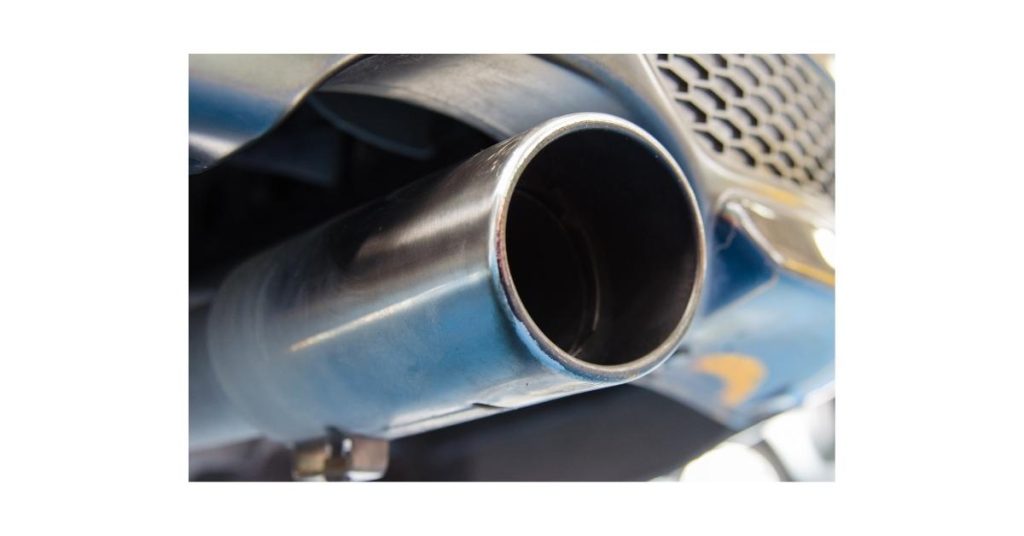
One of the most important responsibilities of the exhaust system is emissions management. Modern exhaust designs are tightly integrated with emission control strategies to reduce harmful pollutants released into the atmosphere. This is especially critical as environmental regulations become stricter worldwide. An efficiently functioning exhaust system ensures that harmful gases are processed and released safely, contributing to cleaner air and regulatory compliance. Vehicles with compromised exhaust systems often emit higher levels of pollutants, which can negatively impact both the environment and public health.
Why Exhaust Maintenance Is Often Overlooked
Despite its importance, exhaust maintenance is frequently neglected. Many components are located underneath the vehicle, making issues less visible during routine checks. Additionally, gradual wear does not always produce immediate symptoms. However, consistent inspection can extend the life of the system and improve vehicle reliability. Preventive maintenance is far less expensive than replacing major exhaust components after a complete failure, especially when corrosion or internal damage has spread.
Performance Upgrades and Exhaust Systems
Performance enthusiasts often focus on exhaust upgrades to enhance power and sound. A performance-oriented exhaust system is designed to improve airflow while producing a deeper, more refined exhaust note. However, not all upgrades are suitable for every vehicle. Poorly designed systems can increase noise without improving performance or even reduce efficiency. Understanding how exhaust systems function helps ensure that any upgrade aligns with the vehicle’s engine characteristics and intended use.
Heat Management and Exhaust Efficiency
Exhaust gases exit the engine at extremely high temperatures. Managing this heat is essential to protect surrounding components and maintain optimal performance. Efficient exhaust systems dissipate heat effectively while retaining enough temperature to support emissions control processes. Excessive heat retention can damage nearby parts, while rapid heat loss may reduce system efficiency. Proper heat management contributes to consistent engine performance and long-term durability.
Exhaust System Longevity and Driving Conditions
Driving conditions significantly influence exhaust system lifespan. Short trips, frequent cold starts, and exposure to moisture accelerate corrosion. Vehicles driven primarily on highways tend to experience longer exhaust life due to consistent operating temperatures. Understanding these factors helps vehicle owners make informed decisions about maintenance intervals and material choices. Longevity is not solely determined by manufacturing quality but also by how and where the vehicle is used.
How Exhaust Design Impacts Fuel Efficiency
Fuel efficiency is closely linked to how efficiently exhaust gases are expelled. Restricted exhaust flow forces the engine to work harder, increasing fuel consumption. A properly functioning exhaust system supports efficient combustion by allowing spent gases to exit quickly and smoothly. Over time, even minor exhaust inefficiencies can lead to noticeable increases in fuel costs, making exhaust health an important factor in overall vehicle economy.
Choosing Reliable Information About Exhaust Systems
With so much information available, finding accurate and practical guidance about exhaust systems can be challenging. Trusted resources that focus exclusively on exhaust-related topics provide valuable insights for both beginners and experienced vehicle owners. One such resource is Exhaust, which offers detailed explanations and educational content focused entirely on exhaust systems. Access to focused, reliable information helps vehicle owners make better decisions regarding maintenance, troubleshooting, and upgrades.
The Safety Implications of a Faulty Exhaust
A compromised exhaust system is not just a performance issue; it is a safety concern. Exhaust leaks can allow toxic gases to enter the cabin, posing serious health risks. Structural damage can also lead to parts detaching while driving, creating hazards for both the driver and other road users. Ensuring the exhaust system remains intact and functional is essential for safe vehicle operation, especially in enclosed or urban driving environments.
Exhaust Systems and Long-Term Vehicle Value
The condition of the exhaust system can influence a vehicle’s resale value. Buyers often associate a quiet, efficient exhaust with good overall maintenance. Conversely, visible rust, loud noise, or emission issues can raise concerns about neglect. Maintaining the exhaust system contributes to preserving the vehicle’s long-term value and reliability, making it an important consideration for owners planning to sell or trade in their vehicles in the future.
Learning More About Exhaust Systems
For anyone looking to deepen their understanding of exhaust technology, design principles, and maintenance best practices, specialized educational platforms provide structured and practical knowledge. A comprehensive learning resource like Exhaust allows readers to explore exhaust-related topics in depth, helping them stay informed as vehicle technology continues to evolve.
Why Exhaust Systems Deserve More Attention
Exhaust systems operate silently in the background, yet they influence nearly every aspect of vehicle performance, efficiency, and safety. From managing emissions to supporting engine breathing, their role is far more complex than simply directing gases away from the engine. By understanding how exhaust systems work and recognizing their importance, vehicle owners can make better maintenance decisions, improve driving experience, and ensure long-term reliability. An informed approach to exhaust care ultimately benefits both the vehicle and the environment.